
HUNTINGTON — When most of us think of ways to relax, one of the first ways that comes to mind is getting a massage.
While massages are great, there are other ways to relax, such as yoga, and even less traditional ways, like meditation, float therapy and even acupuncture.
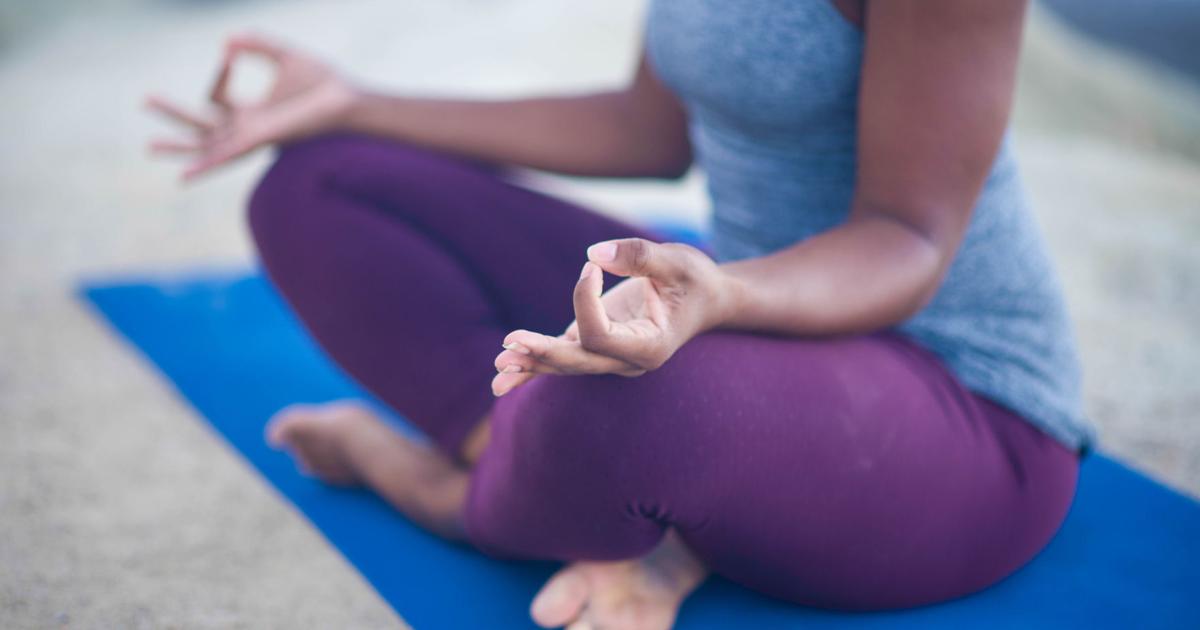
Yoga means connection, and the practice acknowledges that our bodies, energy levels, thoughts, beliefs and relationships are all connected. By doing various techniques, stress responses can be decreased and certain breathing and postures help improve the flow of energy through our bodies, which can help to reduce inflammation and stress along with increasing the production of feel-good neurotransmitters.
According to Joan St. Clair of Studio 8, “The mindfulness practices and self-awareness offered by yoga can also help us to nip stress in the bud. We can be aware of what triggers us and patterns or habits we’ve established both in our bodies and in our minds and with that knowledge make changes where needed.”
It can also be done anywhere and doesn’t require going to a studio or even spending a lot of money. You can practice at your desk, lying in bed or going for a walk.
There are several misconceptions about yoga, and St. Clair cleared those up. Yoga is not just for women, nor is it just for people who look like a runway model and have an insane ability to be flexible. Many athletes use yoga, and anyone can find a practice that works for them.
Yoga is also offered at a local church where poses are being combined with Bible scripture, forming a moving church service. St. Clair believes that since yoga makes us more connected to our bodies, thoughts, beliefs and something greater than ourselves, it works for people of varying beliefs.
Float therapy has been around since the 1970s and is helpful with both the physical and mental wellness of the body. It offers a way to disconnect while affording you the opportunity to relax and let go. Floating is done in a pod in a soundproof, heated room where you experience a zero-gravity environment.
According to Jeremy Jarrell of Float Effects, “There really isn’t an experience like a float session if the environment has been properly created to greatly reduce stimulation.”
Jarrell said the first float is usually a novel experience, and the more sessions you do, you understand what the new environment you’ve discovered is good for, including pain management along with stress relief and relaxation.
Jarrell said floating is not scary; the pods are roomy with lids that do not lock and can be left open. He also said that if you do go to sleep, you’ll probably consider it the best nap possible.
Acupuncture may not be the first thing that comes to mind when thinking about relaxation, but it helps with both relaxation and stress. It’s used to treat several medical conditions such as post-traumatic stress disorder, anxiety and depression. It is also considered to be a mainstream method for pain relief without the use of pharmaceuticals.
During the session, needles are placed just under the skin at specific points that allow the flow of vital energy to be improved so that it becomes balanced and restores equilibrium to the body. One of the misconceptions about acupuncture is that people wouldn’t consider it because of a fear of needles associated with medical practices. Acupuncture needles are fine and can barely be felt when being inserted. According to Candace Duty, of Candace Duty Chiropractic, “Some patients who are the most reluctant to try acupuncture because of needle phobia become the most satisfied and well pleased with the benefits of treatment.”
Meditation is a combination of techniques, tools and practices that lead to a state of presence. When you reach this state of being only in the moment, you will find clarity of mind and emotions. Learning meditation helps you obtain this state and stay there.
Jenn Brooks, a meditation teacher, says that it’s best to develop a regular practice beginning with five minutes first thing in the morning and before going to sleep. Our hectic days and trying to keep up cause us to become agitated even when we are unaware.
To try it, focus on breathing in and out of your nose and feeling the air flow along the nasal passages for five minutes. This can be done anytime, anywhere and in any circumstances. A seasoned meditation practitioner can help you customize a practice that is perfect for you and your lifestyle.
“Meditation is a lifestyle and something to be integrated into daily life,” Brooks said. “It is not just a once-a-week practice or workshop at a studio. It is a determination and willingness to take steps toward inner peace, and only you can do that.”
from WordPress https://ift.tt/V6oPpmE
via IFTTT


0 Comments